
Core Specialisations
Four type of operations where SORA is often required. We support the technical framing, the documentation, and CAA engagement to land authorisation.
Compliance is at the heart of what we do, but cost of compliance has an impact on competitiveness. We help you keep compliance proportionate so you remain competitive.

BVLOS with Visual Mitigation
Building safety cases that use visual observers and technical sensors as primary mitigations for BVLOS operations.
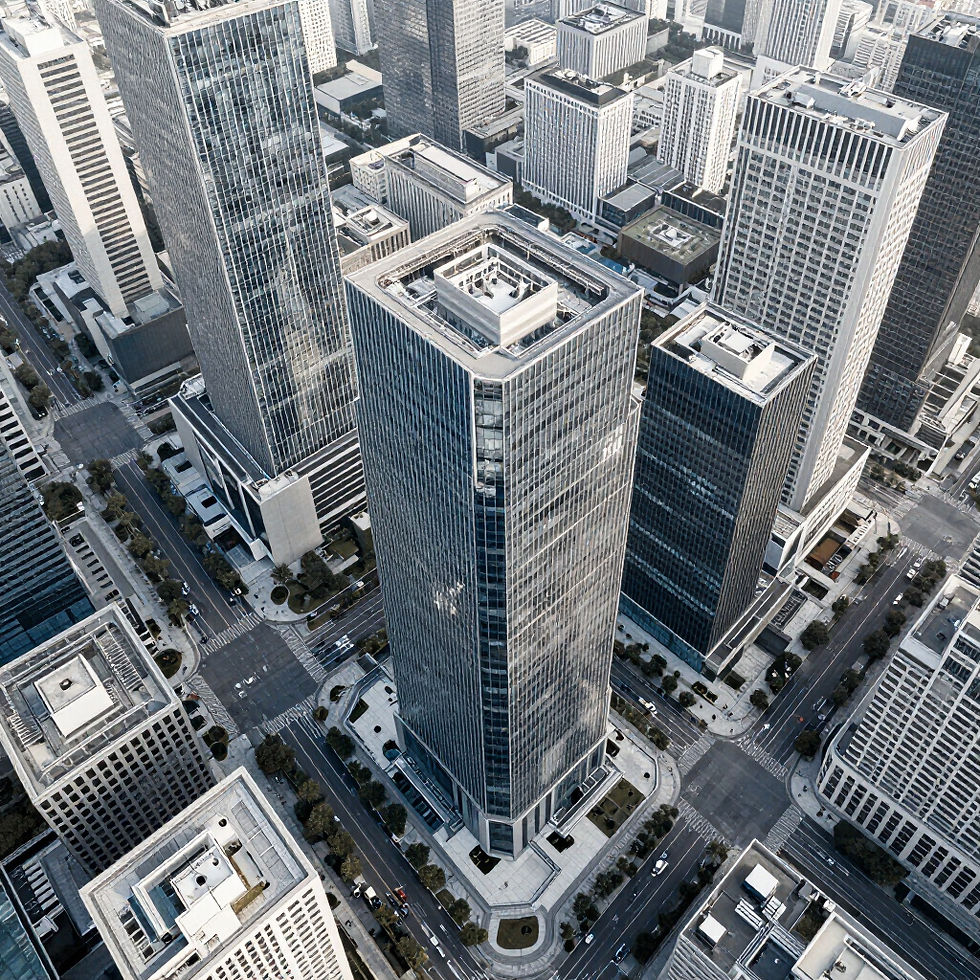
Urban & Dense Areas
Operations over populated areas where ground risk is the critical variable. Inspection, logistics, real estate, asset inspection.

Heavier drones >25kg
Operations of UAS above 25kg do not fit into the Open Category nor PDRA-01, they require a SORA based operational authorisation. We manage the process and help you optimise your Conops under SORA.

Atypical Air Environments
Unlocking BVLOS in low-level airspace where conventional traffic is rare. The current pragmatic and accessible entry point to BVLOS operations at scale.
How we work
Whether the brief is strategic or hands-on document drafting and CAA liaison, we shape the engagement to where you are. From technical scoping through to operational authorisation.

01. Technical Scoping
A working session on your Concept of Operations (ConOps). We identify the SORA framing, the technical mitigations required, and the evidence gaps before any application document is written.
02. Safety Case Engineering
Building the safety argument against the SORA methodology. Ground Risk Class, Air Risk Class, SAIL determination, and the evidence package each level requires.
03. CAA Engagement & Approval
Submission, ongoing engagement with the CAA's regulatory team, and iterative response to findings until authorisation lands. We stay in the room.
FREQUENTLY ASKED QUESTIONS
bvlos AND COMPLEX DRONE OPERATIONS. Faqs
What is visual mitigation under SORA, and why does it matter for BVLOS operations?
Visual mitigation offsets the increased ground and air risk of BVLOS by placing trained observers along the flight path to detect and report conflicting traffic or hazards in real time. Under SORA, effective visual mitigation can meaningfully reduce your SAIL level.
What is an Atypical Air Environment?
An AAE is a volume of airspace where encounter rates with crewed aviation are reasonably anticipated to be very low due to proximity to specific ground infrastructure, such as within 100ft of a building, within 50ft of a linear structure such as a railway or powerline, or within the confines of private property at a height not exceeding 50ft.
What ground risk mitigations are available under UK SORA in a dense urban environment?
Operators can reduce their intrinsic GRC through sheltering, arguing that the built environment reduces the exposed population beneath the flight path, as well as time-of-day restrictions, site access controls, and ground exclusion zones. Technical measures such as geofencing, redundant flight termination systems, or parachute recovery can further reduce the adjacent area risk argument.
Once a 25+kg UAS is taken through UK SORA, why is staying within SAIL II so difficult, and why does it matter?
The reason lies in the iGRC table at the heart of UK SORA's ground risk assessment. A UAS heavier than 25kg will almost always exceed the first column's thresholds of 1 metre characteristic dimension and 25m/s maximum speed, placing it immediately into the 3m column or beyond. That shift alone pushes the intrinsic GRC upward by at least one point across every population density band.