Eurosatory 2026: Defence robotics are redefining modern warfare
- Anne-Lise Scaillierez

- Jun 24
- 2 min read
Opinion
The rise of Air, Land and Sea Uncrewed Systems
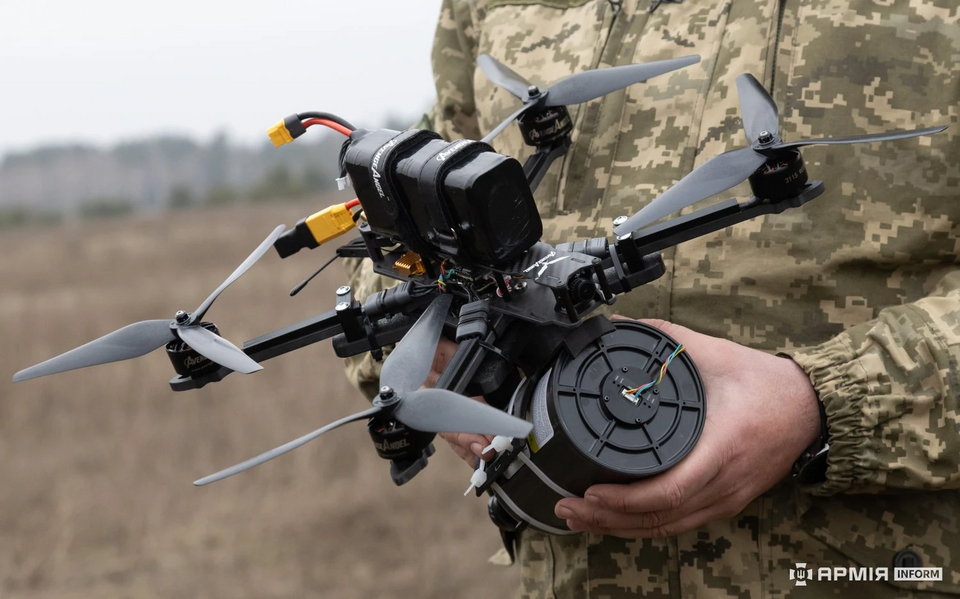
Change towards defence robotics is no longer theoretical — it is here, and it is visible. Eurosatory 2026 made that abundantly clear. The sheer breadth of defence innovation in uncrewed systems on display was striking: FPV-style drones, Shahed‑type loitering munitions, anti‑Shahed interceptors, counter‑drone technologies, ISR UAVs, uncrewed ground vehicles (UGVs), uncrewed surface vessels (USVs), and technologies designed to defeat jamming or limit communications dependency of those uncrewed vehicles and push autonomy further. The shift is real, and it is accelerating.
Ukraine’s Defence Tech ecosystem
Ukraine has now become an emerging Defence Tech Silicon Valley. Their top drone companies generate $1bn in annual revenues. Rounds of investment are sealed at valuations above the $1bn mark. Ukraine defence ecosystem is charging ahead, their achievements are immense and their pragmatic approach is reshaping modern warfare. Russia has not won the war and it does not look like they will soon.
European defence start‑ups and VC investment
This transformation visible at Eurosatory 2026 in Defence Robotics is not confined to Ukraine. Across Europe, a wave of start‑ups and SMEs has entered the defence space, blending commercial technologies, AI, and military requirements. Venture capital, once wary of defence, is now fully engaged. Private investment is replacing the traditional model of relying on long, rigid MoD procurement cycles and is actively supporting this emerging ecosystem.
But like every tech-driven sector, not all of these companies will survive the valley of death. There will be winners, and there will be casualties.
The consequences of this shift are profound:
A dramatic acceleration of innovation, driven by competition and rapid iteration.
A significant reduction in cost, if Ministries of Defence embrace COTS defence systems rather than insisting on bespoke, exquisite systems.
A move away from stockpiling “mummified” certified products, toward building industrial capacity to rapidly scale modular defence systems that evolve continuously as new technologies emerge.
How Defence Robotics needs to transform defence procurement and budgets
VCs are sincere in their desire to strengthen European resilience — but they are not philanthropists. They expect returns. For this emerging defence industrial base to thrive, it needs revenue. It needs orders. It needs MoDs to act.
Given the pace of technological evolution, existing procurement cycles are simply too slow and too cumbersome. A parallel, fast‑track innovation procurement model is the best way forward.
Equally important is a reallocation of defence budgets. Yes, both conventional capabilities and emerging capabilities are needed. Yet, continuing to fund legacy programmes that no longer meet the realities of modern warfare is a strategic liability. Many European countries are struggling with their debt and cannot afford inefficient use of public funding. Redirecting investment toward technologies that deliver battlefield relevance would accelerate resilience and strengthen Europe’s defence posture.

Eurosatory 2026 Defence Robotics: further reading & external resources
Defence Innovation & Funding
NATO DIANA – Defence Innovation Accelerator for the North Atlantic: https://www.diana.nato.int/
NATO Innovation Fund (NIF): https://www.nif.fund/
European Defence Fund (EDF): https://defence-industry-space.ec.europa.eu/eu-defence-industry/european-defence-fund-edf_en
European Defence Agency (EDA): https://eda.europa.eu/
UK MoD – Defence and Security Accelerator (DASA): https://www.gov.uk/government/organisations/defence-and-security-accelerator
Ukraine’s Defence Tech Ecosystem
Brave1 – Ukraine’s Defence Tech Cluster: https://brave1.org/
Ministry of Digital Transformation of Ukraine: https://thedigital.gov.ua/


Comments